Skip to content
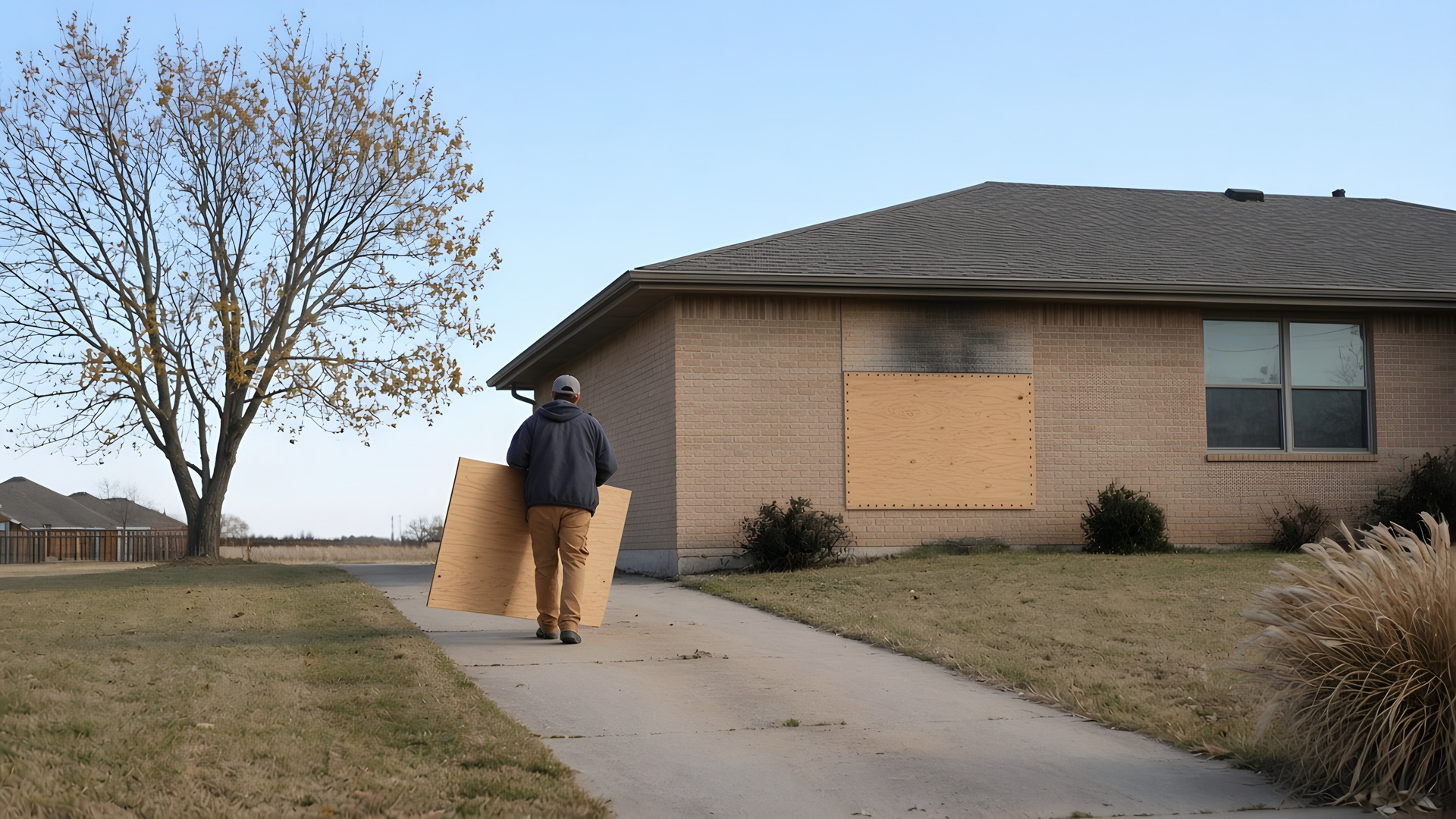
A worker carrying plywood toward a buff-brick ranch with a covered window and a dark stain above the opening
Wichita, KS · Editorial Restoration Guide

Fire Damage Restoration in Wichita, KS

Fire Damage Restoration in Wichita, KS begins with understanding what the house has been through. Wichita Fire Damage Restoration Pros brings the openings, wet materials, smoke residue and repair decisions into one conversation. This guide follows the house from its exposed edges to the rooms that need cleaning and the framing that may need replacing. Call to check availability.

A house after fire. The work ahead, explained.

An affected kitchen does not tell the whole story. There may be a pale ceiling stain down the hall, water beneath flooring, an open window or a cabinet that still carries a smoke smell. The starting point is a description of the house rather than a package chosen from a list. Tell us the city, the rooms involved and what remains open to the weather.

These pages explain methods, not a promise about a result or a schedule. The condition of the materials determines what can be cleaned, what needs further examination and what belongs in a written repair scope. The supplied photographs illustrate stages of restoration; they are not accounts of completed customer projects.

In this guide

Start with the part of the house that is hardest to describe. Film on a ceiling belongs in the smoke discussion; an odor in a cupboard belongs in the residue discussion; missing windows and exposed roof sections belong in the board-up discussion. When the work crosses several categories, the whole-house method explains how they connect.

Why can an untouched room need attention?

Smoke follows the connections between rooms, while water can collect below the surfaces where it first lands. A wall that did not burn may still carry film, and a floor that looks dry may conceal wet layers. The walk-through needs to follow those paths rather than stop at the most visibly damaged room.

In a Wichita ranch, the hallway and return ducts can connect a kitchen to bedrooms at the opposite end. In a taller house, the stair opening may connect the lower floor to an upstairs ceiling. Those are routes to investigate, not proof that every connected space needs the same treatment. Closets and cabinets are considered alongside the open rooms.

The city's aircraft-production growth brought a substantial stock of wartime and postwar housing, as described by the National Park Service. Materials in those homes may have changed through later remodeling. Plaster, paneling and newer drywall can sit beside each other, so cleaning decisions belong to the surface in front of us rather than to the age of the house alone.
Where does the work actually begin?

Work planning begins with access and the exposed building envelope, then follows the moisture and residue before finishes are replaced. Openings, wet layers and damaged framing are separate questions even when they occupy the same wall. A written scope should make their relationship understandable rather than hide them under one broad phrase.

Wichita's wind makes exposed openings worth describing on the call. Mention a broken window or a roof opening without climbing up to inspect it. Once access is permitted, a walk-through can record the condition of those openings and the rooms behind them. Board-up is temporary work; replacement windows, doors and roof repairs are different parts of the scope.

Cleaning is also distinct from rebuilding. A new cabinet should not be treated as the answer to residue remaining behind it. Similarly, paint cannot decide whether a framing member should remain. The cleaning and repair pages explain those boundaries without turning a photograph into a diagnosis.

How is a price made intelligible?

A useful written quote identifies rooms, materials and tasks instead of giving a single unexplained total. The cost depends on the reach of smoke and water, access to the affected layers and the extent of repair. This guide does not use a numerical price menu because the house has not yet been examined.

Ask what is included in opening protection, drying, contents handling, surface cleaning, odor work and reconstruction. Some houses need only selected parts of that list. Other houses need a connected plan in which later work depends on earlier findings. Any unresolved item should be described as unresolved, not silently included in a confident total.

Permit questions are separate from cleaning choices. For Wichita and unincorporated Sedgwick County, confirm structural and remodeling requirements with the Metropolitan Area Building and Construction Department. For another city, confirm with that city's office. The written scope should identify where those questions affect the proposed work.

Methods, from opening to finish

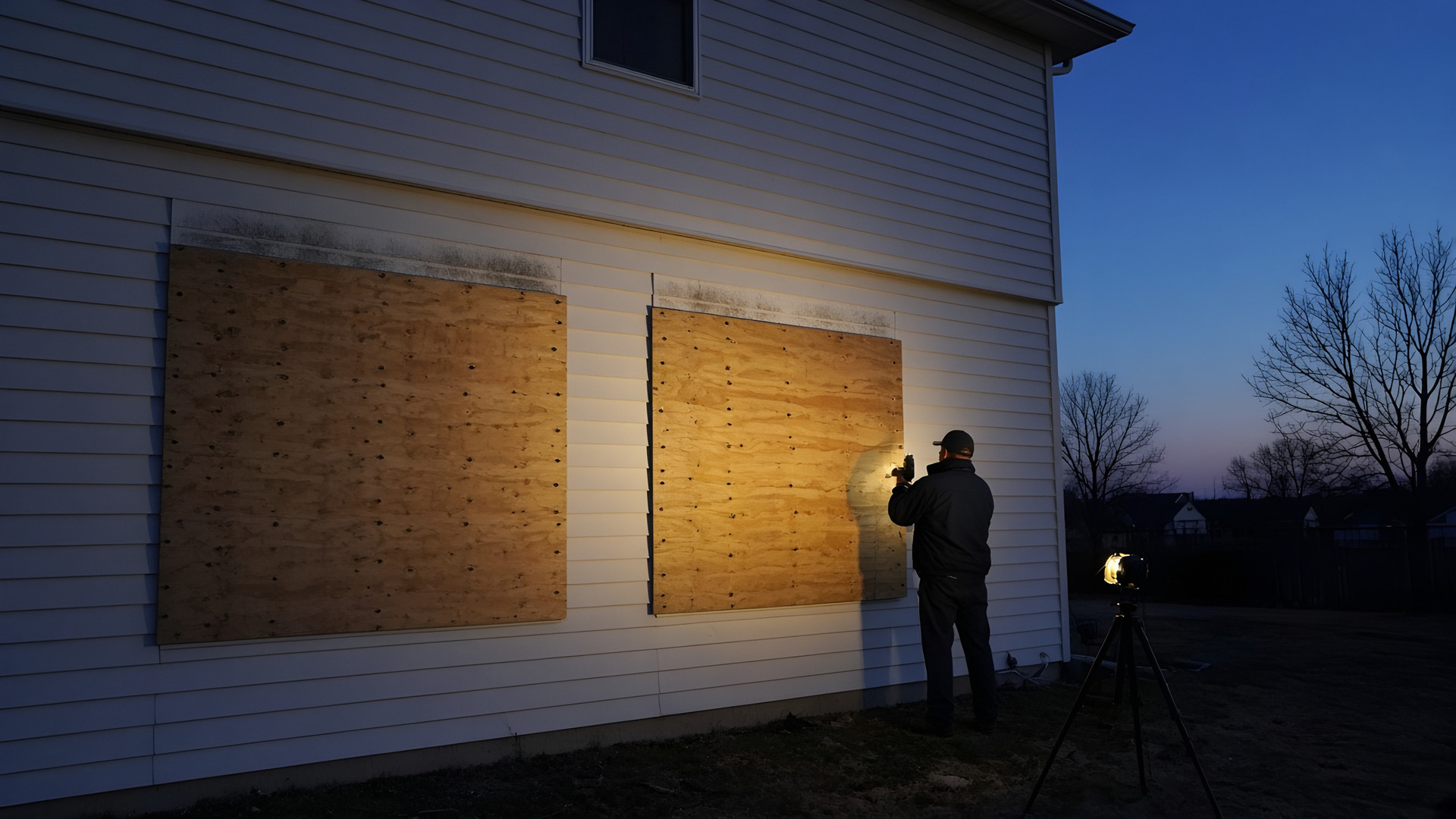
Covered openings at the back of a vinyl-sided house at dusk with a worker and a tripod light

Board-up and opening protection

Plywood and temporary roof coverings address exposed parts of the house while the wider scope is considered. Describe the openings on the phone; the method page explains what the temporary work does and what still needs a repair decision.

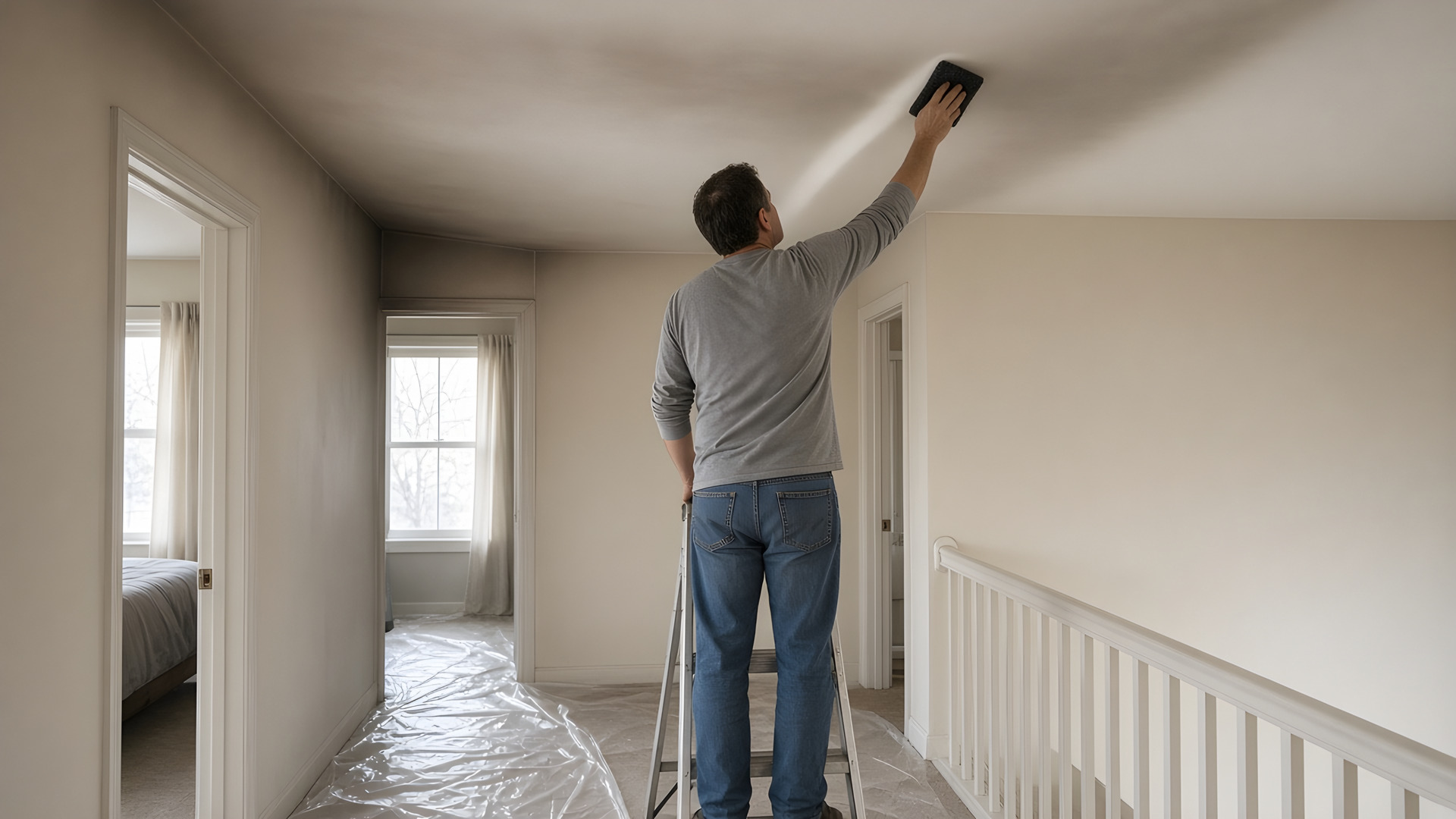
A worker on a ladder cleaning a smoke-marked hallway ceiling above a protected floor

Smoke-film cleaning

Ceiling film, dulled trim and residue around vents need a surface-by-surface approach. Cleaning may begin with dry removal and move to other methods after the residue and finish have been assessed. Not every gray mark calls for replacement.

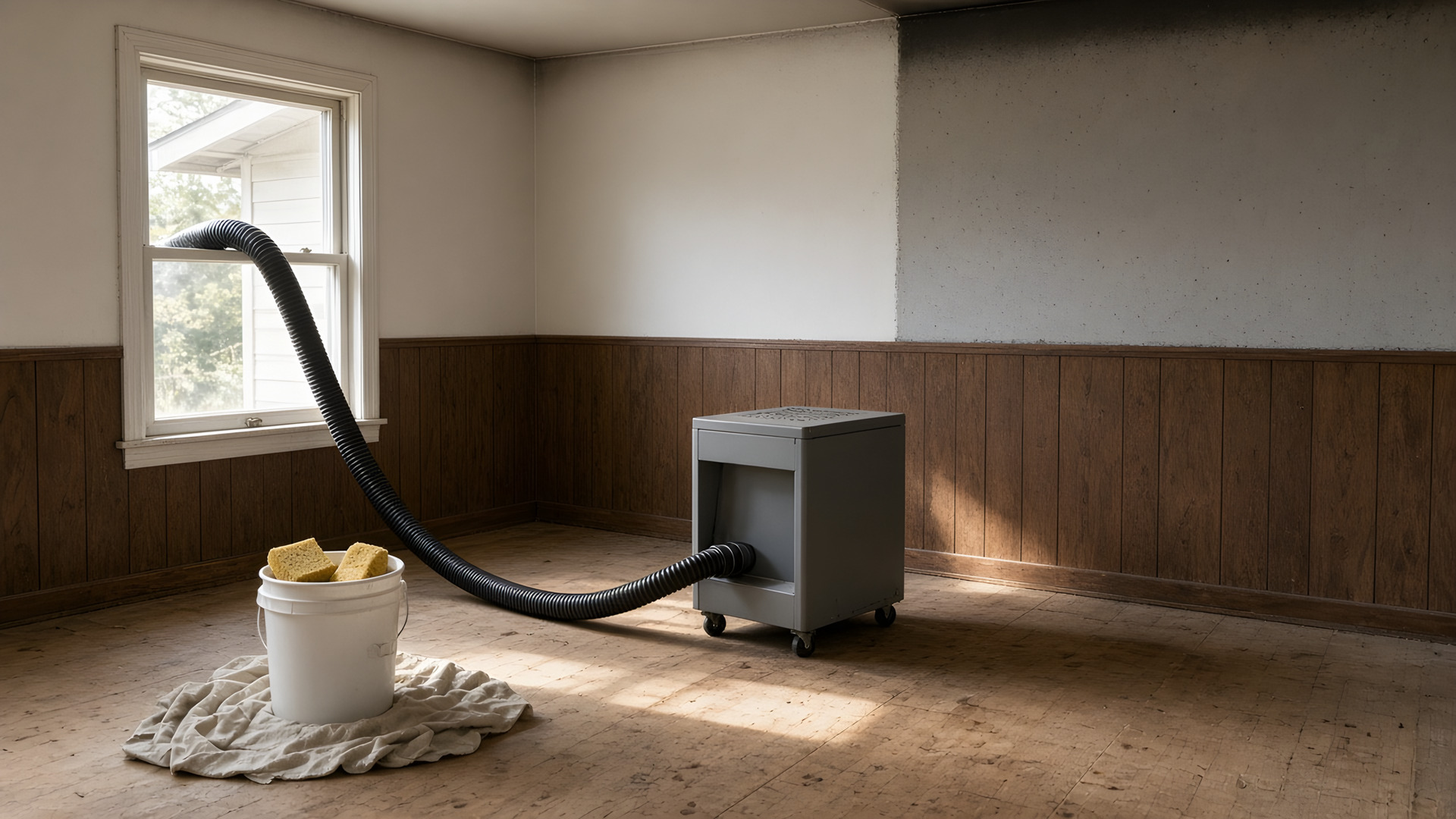
An empty paneled den with differing wall deposits and a plain air scrubber beside a window

Soot and odor source work

A clean-looking wall can sit beside a cupboard or porous layer that still carries smoke residue. Source work connects visible soot with less visible deposits and distinguishes cleaning, material removal and odor treatment in the scope.

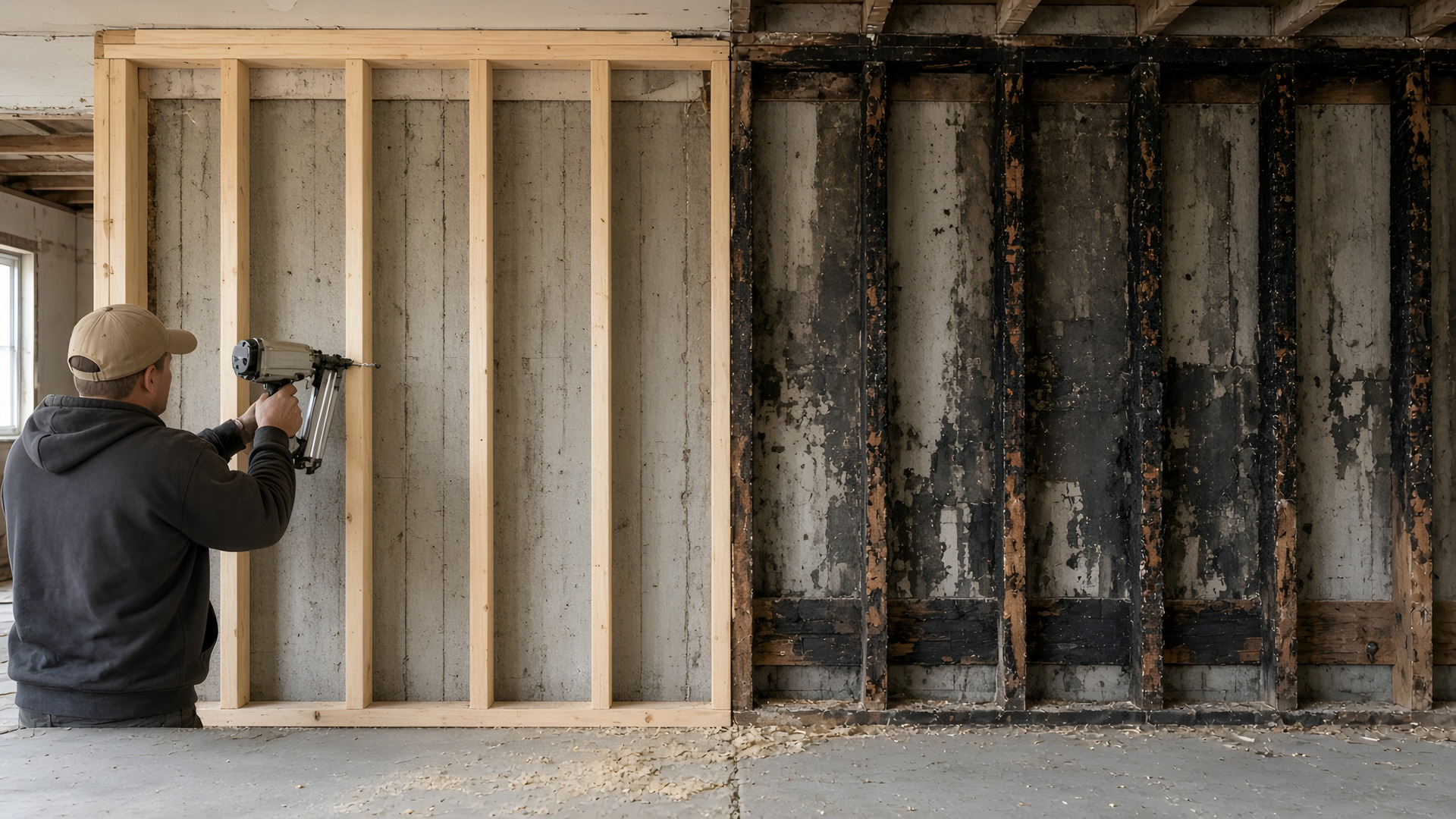
New pale framing beside darkened old members with a worker at the edge of the wall

Framing and room repair

Burned members, disturbed services and damaged finishes require different decisions. Structural evaluation comes before concealment; framing, inspections where required and room finishes need an agreed sequence rather than a cosmetic cover-up.

The whole-house method ties these together →

Read that companion feature when openings, water, cleaning and repairs all form part of the same job. It is a text link outside the card grid, not a fifth card or a separate Home section. It explains dependencies without implying that every house needs every method.

Wichita Fire Damage Restoration Pros

Put the house into words.

Describe what changed in each room. The scope can follow from there.

This is an editorial line from this guide, not a customer's statement. Call Wichita Fire Damage Restoration Pros with the city, the affected rooms and any openings you already know about. A phone conversation establishes availability and the information needed for a walk-through; it does not determine the condition of concealed framing.

Call (316) 243-1923

Call to check availability

Wichita, then the county pages

Wichita is the Sedgwick County seat at the meeting of the Arkansas and Little Arkansas rivers. The surrounding pages cover Andover, Derby and Newton without treating the whole county map as a promise of service to every property. Give the city or county on the call so coverage can be confirmed for the house itself.

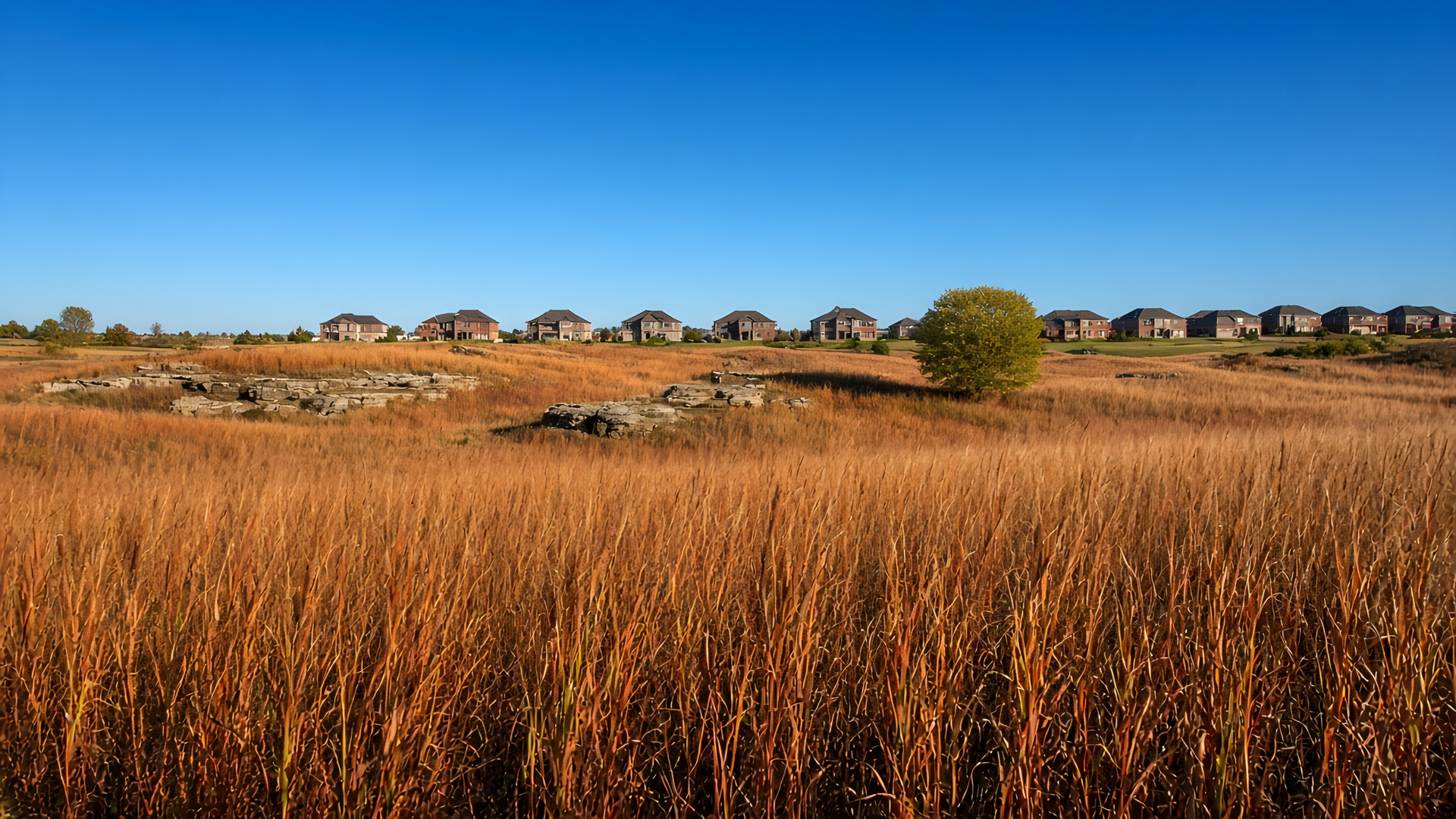
Bronze grass and low limestone outcrops beneath a clear sky with houses along the distant edge

Andover, KS

Andover is east of Wichita in Butler County. Its earlier name was Cloud City. The local page considers open rooms, attached garages and the need to ask the city about rebuilding requirements, without assuming that every Andover home has the same floor plan.

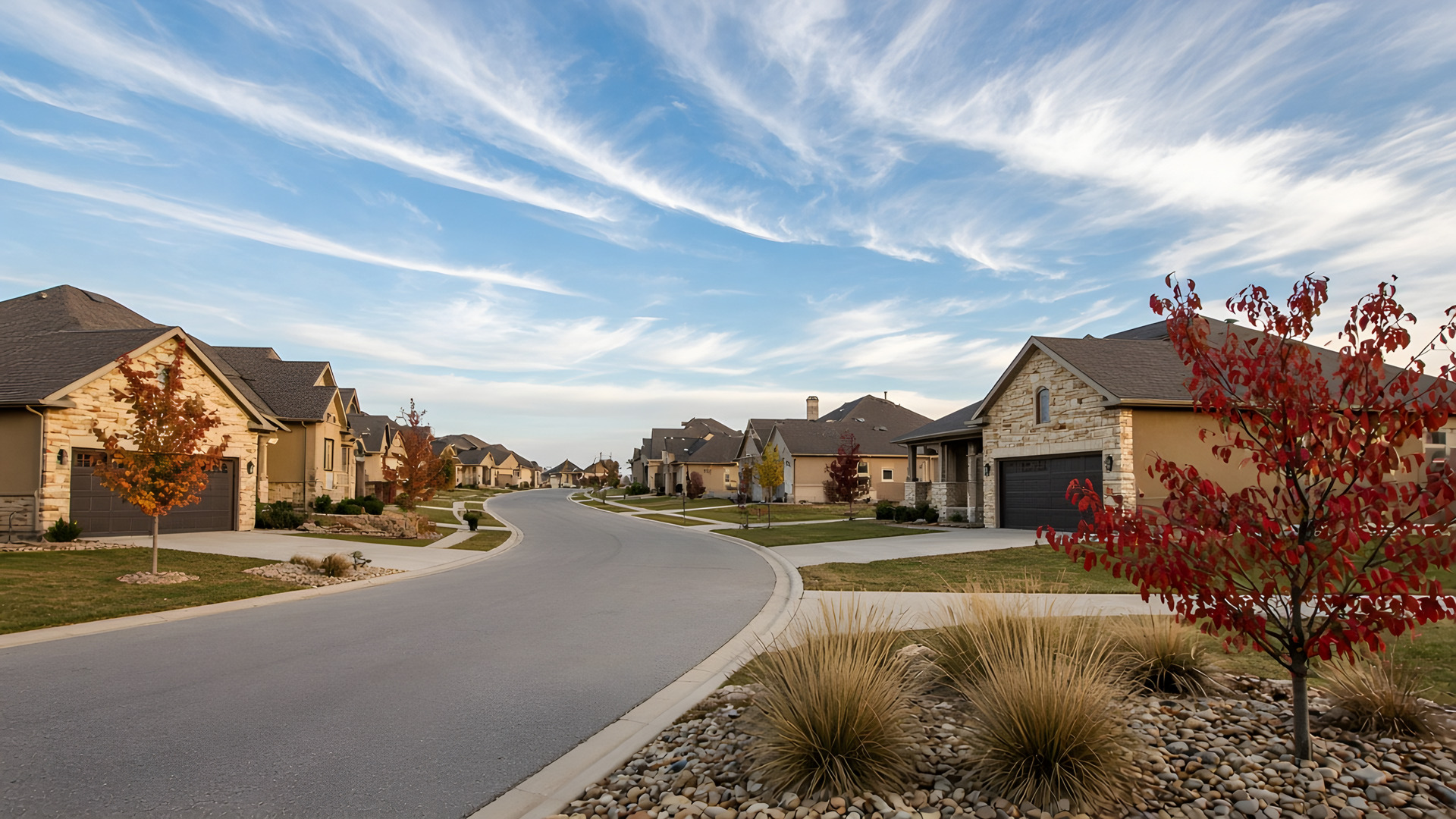
A residential street of stone-faced and stucco houses with young autumn trees and ornamental grasses

Derby, KS

Derby is south of Wichita in Sedgwick County, along the Arkansas River. Its aircraft-era growth left a mix of postwar housing and later additions. The Derby page follows that mix of materials and the distinction between room cleaning and work that changes framing.

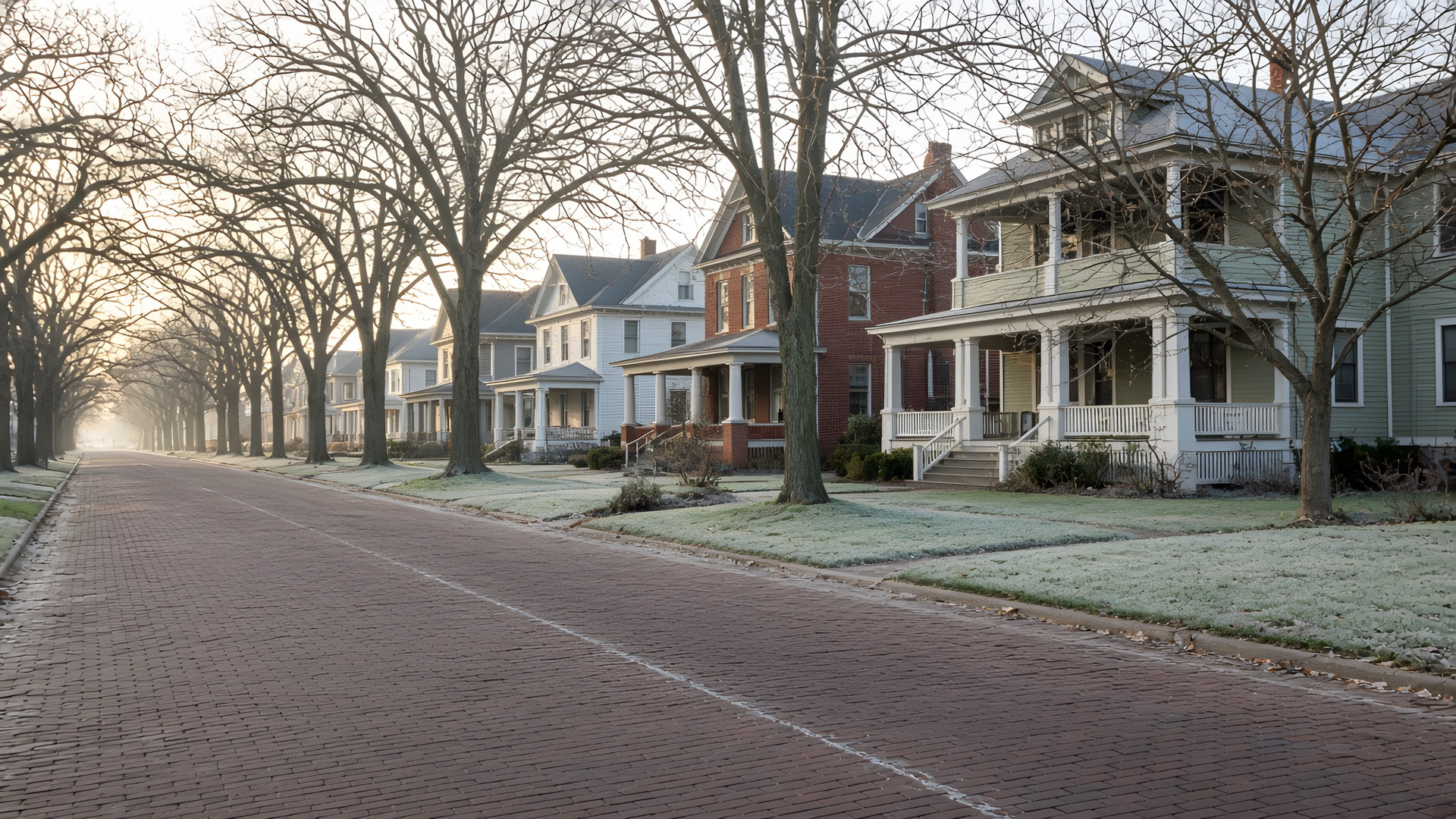
Older houses with deep porches beneath bare trees in pale frosty morning light

Newton, KS

Newton is the Harvey County seat, north of Wichita, with a history connected to the Santa Fe railroad and hard winter wheat. The Newton page gives attention to stairways, older finishes and later alterations. County history is context, not evidence about a particular damaged house.

Questions worth keeping open

  1. Can a room that looks unchanged belong in the scope?

    Yes, if the walk-through finds residue or moisture there. Appearance is only part of the record; room connections, ducts and concealed layers can explain why a space needs attention even when its paint still looks familiar.

  2. Does a boarded opening count as a finished repair?

    No. The board is a temporary covering. Repairing the window, door, surrounding wall or roof is a separate decision, with its own materials and any applicable permit or inspection requirements.

  3. Why separate drying from the cleaning lines?

    Moisture and smoke residue are different conditions. Listing them separately makes it possible to see which materials need drying, which need cleaning and which cannot remain, before replacement finishes are specified.

  4. Must every smoke-marked material be replaced?

    Not necessarily. The surface, residue and physical condition affect that choice. The scope can distinguish materials proposed for cleaning from materials proposed for removal, with the reasons attached to each decision.

  5. Can the first conversation settle a total price?

    A description can help identify the questions to examine, but it cannot show concealed damage or every affected surface. A written quote should follow examination of the house and explain any items that remain uncertain.

  6. Where do Wichita rebuilding questions belong?

    Confirm requirements with the Metropolitan Area Building and Construction Department for Wichita and unincorporated Sedgwick County. For Andover, Derby or Newton, ask the city involved; a cleaning description does not settle a structural permit question.

A conversation before a scope.

You do not need the name of a cleaning method to make the call. Describe the affected rooms, the surfaces you can already see and the town the house is in. Wichita Fire Damage Restoration Pros can discuss availability and the next stage of understanding the work. Questions about entry restrictions stay with the authority responsible for the property.

Call (316) 243-1923

Call to check availability